 |
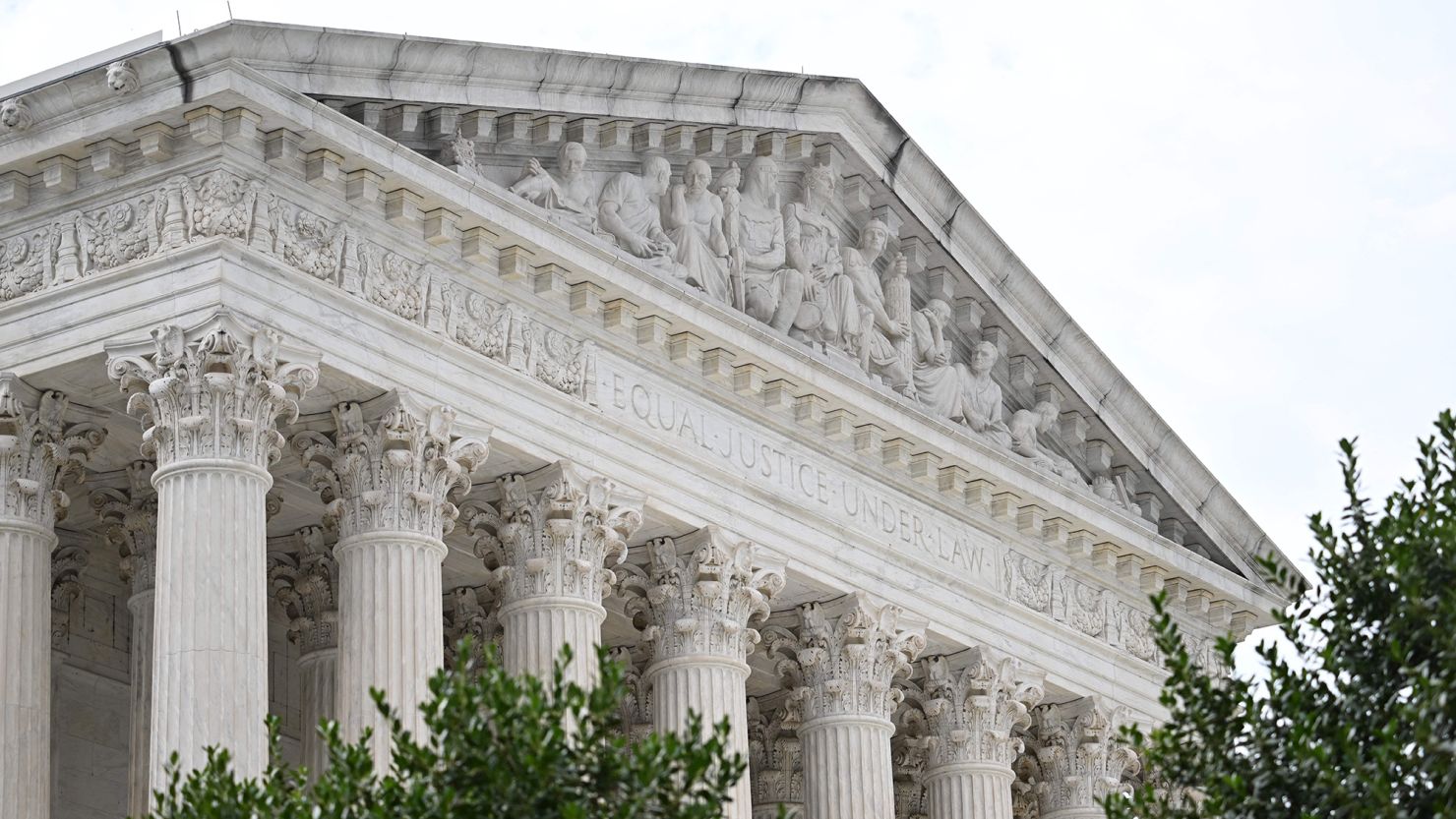
| Outside of Supreme Court |
When the Supreme Court held its first session in 1790, it made decisions that shaped the young nation and virtually no one knew what those decisions said. There was no official system for publishing the Court's opinions, no press office, no distribution network. Opinions were not read aloud in public, not printed in newspapers, and not sent to the states in any organized way. For ordinary Americans, the rulings of the nation's highest court were functionally invisible. Getting the law to the public was slow, incomplete, and, as it turned out, surprisingly controversial.
In the Court's earliest decades, reporting its decisions fell entirely to private individuals working without any institutional support or pay. The first was Alexander Dallas, a Philadelphia lawyer and newspaper editor who began publishing Court opinions in 1790 as a side project alongside his other legal work. According to Craig Joyce's 1985 study in the Michigan Law Review, Dallas's volumes were incomplete, sometimes inaccurate, and not even exclusively focused on the Supreme Court. They mixed in state court decisions with little distinction. His successor William Cranch improved on the accuracy and brought more focus to the task, but the work remained a private endeavor with no government backing and no guarantee of continuity. For the first three decades of the republic, the American public had no reliable or timely access to the rulings that governed their lives.
 |
| Alexander Dallas |
That changed in 1816 when Congress appointed Henry Wheaton as the first official Reporter of Decisions. Wheaton brought consistency and professionalism to the role, and for the first time the Court's opinions were published systematically and with authority. But his tenure also produced one of the most dramatic legal disputes in journalism history. When his successor Richard Peters republished Wheaton's reports in a cheaper, condensed edition intended to make them more widely accessible, Wheaton sued him for copyright infringement. The resulting case, Wheaton v. Peters(1834), became the first copyright case the Supreme Court ever decided about its own work. The Court ruled that judicial opinions belonged to the public and could not be privately owned by any reporter. As Patterson and Joyce argued in their 1989 UCLA Law Review article, that principle still governs legal publishing today.
The next major shift came in 1874, when Congress established the United States Reports as the official government publication of Supreme Court decisions, finally replacing the old practice of citing opinions by the reporter's name. Then in 1882, West Publishing launched its Supreme Court Reporter, adding headnotes and cross-references that made legal research practical for the first time. Lawyers, journalists, and engaged citizens finally had an organized, annotated record of what the Court had decided. The catch, as Joyce's research notes, was that access still required expensive subscriptions that most ordinary Americans could not afford. The law was public in theory, but private in practice.
From Dallas's incomplete pamphlets in the 1790s to West's annotated volumes at the end of the 1800s, the history of Supreme Court reporting is the history of a democracy struggling to make its most powerful legal institution transparent. The reporters, publishers, and litigants of the 19th century did not just document the Court. They built the foundation that legal journalism still stands on today.
AI disclaimer: Claude was used to make this post based on the sources and presentation outline Claude made for me based on the instructions I was given for this project. I tailored the information to what I thought would be most helpful to share with the class. I also edited both the presentation outline and blog post for clarity based on the sources I found most useful. I also found the pictures on my own.


No comments:
Post a Comment