Thursday, April 23, 2026

Final Blog Post: Barbara Walters EOTO #3

                     Barbara Walters dead: Legendary 'Today,' 'The View' newscaster was 93

Here is something a lot of people don't know. Barbara Walters grew up lonely. Her father's nightclub business kept the family moving constantly between Boston, Miami, and New York, which meant new schools, new neighborhoods, and very few lasting friendships. Her brother died before she was born. Her sister Jacqueline had an intellectual disability and was Barbara''s closest companion growing up, often her only one. This is a part of her story that often gets skipped over and it might be the most important part. There are many connections that can be drawn between the emotional weight of Walters' early life directly to the patience and attentiveness that made her extraordinary at her job later on.

She wrote about Jacqueline in her 2008 memoir Audition, saying here sister was the person who taught her what it really meant to pay attention to someone. Think about that in the context of her career. The women who got Fidel Castro, Monica Lewinsky, and Katharine Hepburn to open up the camera learned to listen by sitting with a sister the world mostly ignored. That is not a small thing.

Audition: A Memoir: Walters, Barbara: 9780307279965: Amazon.com: Books

She graduated from Sarah Lawrence College with a degree in English and no obvious path into the industry she wanted. Women did not anchor the news in the early 1950s. So she started from the bottom, working as a secretary and then a writer at a local New York TV station before landing at NBC. Judith Marlane's research on women in television journalism puts this era plainly, women were allowed to e seen on screen, but they were not allowed to have real authority. Walters figured out how to work inside that system while quietly building her way out of it.

She made every soft segment sharper. She pitched harder stories. She just kept going until the people around her forgot to treat her like a limitation.

By 1961 she was on the Today Show, but only in the "Today Girl" role, which was exactly as decorative as it sounds. Held by models and actresses like, Florence Henderson, Beryl Pfizer, Robbin Bain, Louise King, Pat Fontaine, and Maureen O'Sullivan. Walters was able to turn this into a training ground anyway. She got better at interviews, pushed for harder assignments, and by 1974 was co-host of Today. She was one of the first women to hold that title on a national morning program. Her rise was not about luck or timing. It was about outlasting a system that was not built for her.

Then 1976 happened.

ABC hired her co-anchor of the evening news at one million dollars a year, making her the first woman to anchor a network evening newscast and the highest-paid broadcaster in the country. Her co-anchor Harry Reasoner was openly hostile and disrespectful to her on air. Critics were dismissive and while all of that was happening she flew to Egypt and Israel in 1977 and sat down with Anwar Sadat and Menachem Begin TOGETHER, weeks before their historic peace agreement. That interview alone would have defined most careers.
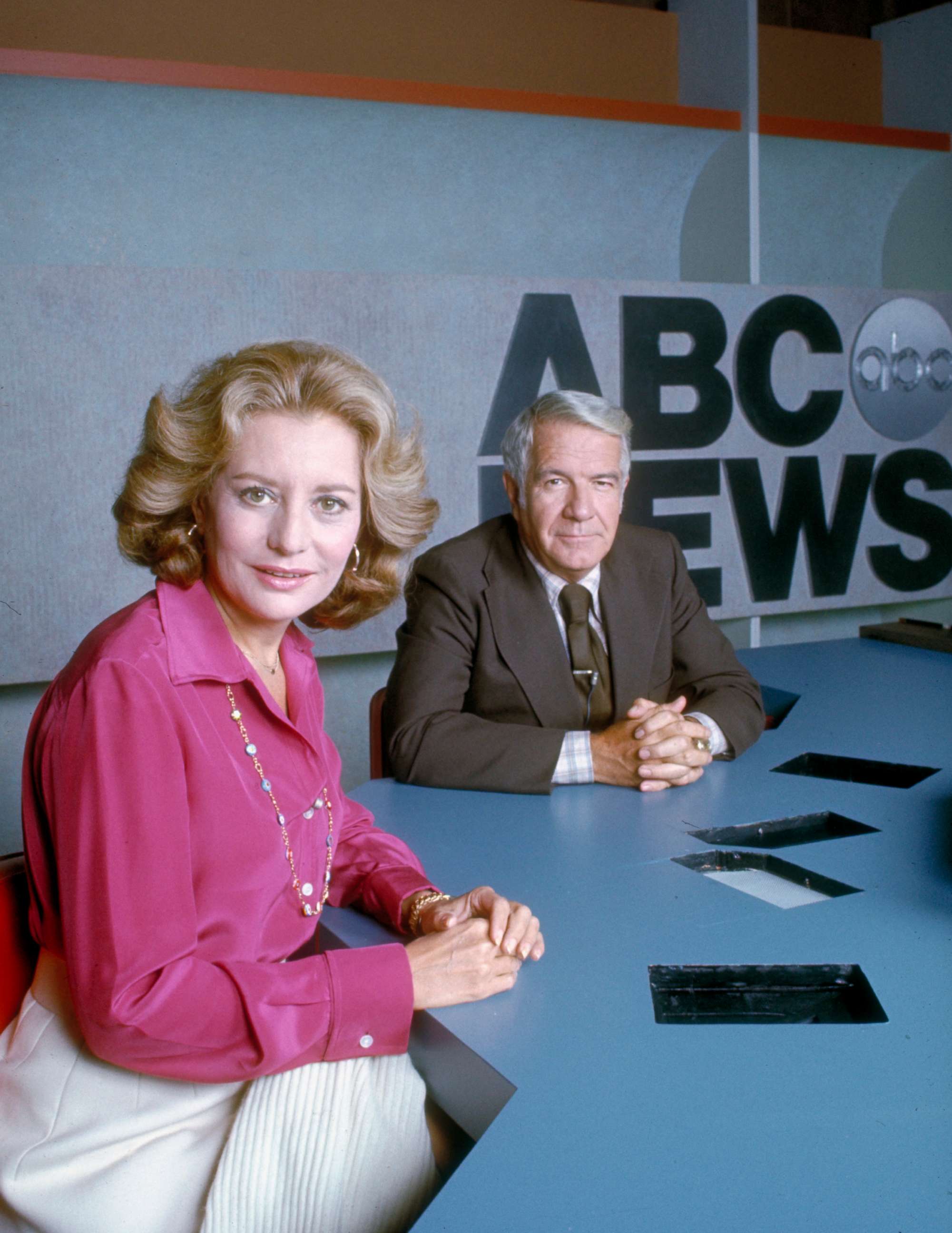
Barbara Walters, trailblazing TV icon, dies at 93 - ABC News

She went on to interview every sitting U.S. President and First Lady from Nixon to Obama, conduct the first American TV interview with Fidel Castro, and draw 74 million viewers for her 1999 Monica Lewinsky interview. She created The View in 1997, produced it, and owned it. It was not a side project. It was a genuine format innovation that changed how political conversation reaches everyday audiences.

She retired in 2014 and passed away on December 30, 2022 at the age of 93. What I keep coming back is the idea that a kid moved constantly, who had no stale social world, who learned to really listen because her sister needed her. Everything in her life especially her early years shaped the person she was able to become. She inspired and paved the way for many women today all over America. Changing the standards and raising the bar.


AI disclaimer: I used claude.ai to help me find sources/articles and write the presentation I gave in class. Which inspired this blog post.

Thursday, April 16, 2026

Shock and Awe

Shock and Awe
Shock and Awe Movie Poster

When did saying the truth become so radical?

This is the question presented in the movie Shock and Awe.

The Knight Ridder journalist didn't feel like they were doing anything different than normal. Finding information and reporting on it for the public to read. As time moved on they realized they were the only newsroom doing this.

The Knight Ridder was determined to find the truth and uncover the attack on 9/11. As they were doing this they realized almost no other news publications were really on the same track as them as far as what information they were looking for and putting out. They were in the scary minority. They saw big news and journalism publications fuel the flame of war and fear into the American people all rooted in lies.

This movie showed perfectly the effects of lies in journalism. It showed the reason why. In this case it was to be in alignment with the government who simply put wanted war. It showed how hard it is the stand by the truth. The Knight Ridder journalist parents questioned and were even angry with what they were publishing because it didn't follow what they saw on the news.

Shock and Awe - Film Review - Out on ...

How could their trusted government lie to them?

Basically every other paper and news station was reporting the exact opposite of the Knight Ridder claiming Iraq was going to attack America with weapons of mass destruction if we didn't act fast enough. The Knight Ridder wasn't buying it. They knew they could find the truth if they just kept looking and that's exactly what they did. People that worked closely with/in the government grew tired and weary of knowing the truth but it not being shared. When they were ready to share the Knight Ridder was ready to listen and educate their audience.

Investigative Journalism Film 'Shock ...

Conflict between the Knight Ridder and other publications like The New York Times continued to grow. Not just because they are reporting different things but because some Knight Ridder papers stop printing their stories about Iraq and the Bush administration and started printing The New York Times stories instead. So the Knight Ridder didn't just have to deal with outside pressure and unbelief but also enteral skepticism. They knew they were writing the truth why didn't they want to print it? It was simple journalist were backing the President and fueling the war. The government had to justify what they were ultimately going to do either way and journalist were connected to the people. The other publications knew Americans would read the stories and believe them.

The Knight Ridder journalist are the true heroes here. They can teach modern journalist a lot about integrity and simply reporting the truth. We were able to see the interview process and how they gathered their information. Was it hard? Yes, but most of the people they were talking to mentioned that other publications had reached out to them as well. This truly showed that in this case lying was just as hard as telling the truth. The other publications still had to find "sources." Most of the people who were telling the truth picked to tell the Knight Ridder information because they knew they could be trusted. Other publications lost true creditable sources because they were already printing lies and misinformation.

To the general public this shows how important it is to find credible news sources. Credible doesn't always mean the biggest publications or the ones you are most familiar with. You have to take it upon yourself as an American to find publications who are writing and printing the truth. It is easier said than done but it is worth it to be accurately informed on what is happening in our country.

Wednesday, April 15, 2026

Reflection of EOTO #2

                         The beginnings of the modern fashion system – Swiss National Museum - Swiss  history blog

Listening to this class presentation really changed the way I think about fashion and how it’s communicated. Before, I mostly associated fashion with social media, celebrities, and trends I see every day online. But as I was taking notes, I realized that fashion journalism has a much deeper history than I expected, and it has evolved alongside society itself.

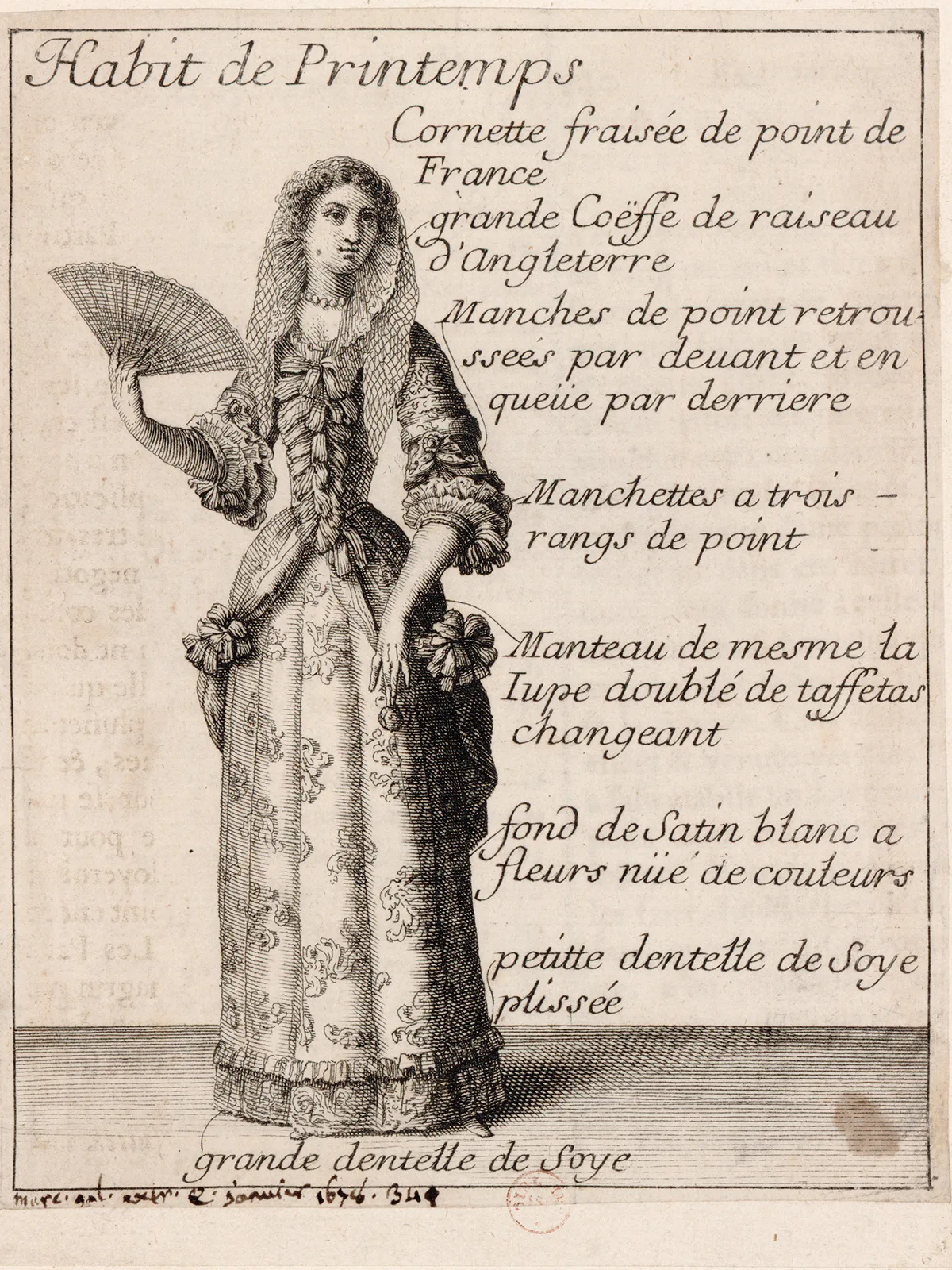
One of the first things that stood out to me was how clothing originally functioned more as a symbol of social class than as a form of personal expression. During the Renaissance, people didn’t follow trends in the way we do now what you wore mainly showed your status. The idea that fashion had to be “shared” or reported on didn’t really exist yet. I thought it was interesting that portraits were one of the earliest ways trends were seen, even though they weren’t meant to spread fashion widely.

As the lecture moved into fashion plates, I started to see the beginnings of what we now recognize as fashion journalism. These detailed drawings made trends more accessible and easier to copy, which feels similar to how we scroll through pictures today for inspiration. It made me realize that even though the format has changed, the purpose sharing style ideas has stayed pretty consistent.

Learning about early publications like The Mercure Galant was also really surprising. I didn’t know that one of the first fashion-focused sections in a newspaper was actually aimed at women, especially at a time when women weren’t considered a primary audience. It made me think about how fashion journalism has also been connected to giving women a voice, even if they weren’t always credited for their work.

The growth of magazines in the nineteenth century showed how much technology impacts media. As printing improved, fashion journalism expanded quickly. Publications like Gallery of Fashion and Gentleman’s Magazine of Fashions made it clear that fashion wasn’t just for women it has always been relevant to everyone. That challenged my assumption that fashion media has always been female-focused.

Nicolaus Heideloff - Gallery of Fashion, vol. I: April 1, 1794- March 1,  1795 - The Metropolitan Museum of Art

Another big shift that stood out was the move from illustrations to photographs in the twentieth century. This made fashion feel more real and relatable, which is something we still value today. I also noticed how fashion journalism began reflecting social changes, like more women entering the workforce, which shows how closely fashion is tied to culture.

By the time the presentation got to the 1950s and beyond, it felt more familiar. Fashion being covered in newspapers like seasonal sports trends showed how mainstream it had become. Then, with the rise of television in the 1980s and eventually the internet and social media, fashion journalism became faster and more accessible than ever.

Overall, this presentation helped me understand that fashion journalism isn’t just about clothes it’s about communication, culture, and change over time. Even though we now get trends from Instagram or TikTok in seconds, it all started with paintings and sketches. That progression really made me appreciate how much effort and history is behind something I usually take for granted.

The crisis of fashion journalism, or ...

Final Blog Post: Barbara Walters EOTO #3

                      Here is something a lot of people don't know. Barbara Walters grew up lonely. Her father's nightclub business ...