Listening to this class presentation really changed the way I think about fashion and how it’s communicated. Before, I mostly associated fashion with social media, celebrities, and trends I see every day online. But as I was taking notes, I realized that fashion journalism has a much deeper history than I expected, and it has evolved alongside society itself.
One of the first things that stood out to me was how clothing originally functioned more as a symbol of social class than as a form of personal expression. During the Renaissance, people didn’t follow trends in the way we do now what you wore mainly showed your status. The idea that fashion had to be “shared” or reported on didn’t really exist yet. I thought it was interesting that portraits were one of the earliest ways trends were seen, even though they weren’t meant to spread fashion widely.
As the lecture moved into fashion plates, I started to see the beginnings of what we now recognize as fashion journalism. These detailed drawings made trends more accessible and easier to copy, which feels similar to how we scroll through pictures today for inspiration. It made me realize that even though the format has changed, the purpose sharing style ideas has stayed pretty consistent.
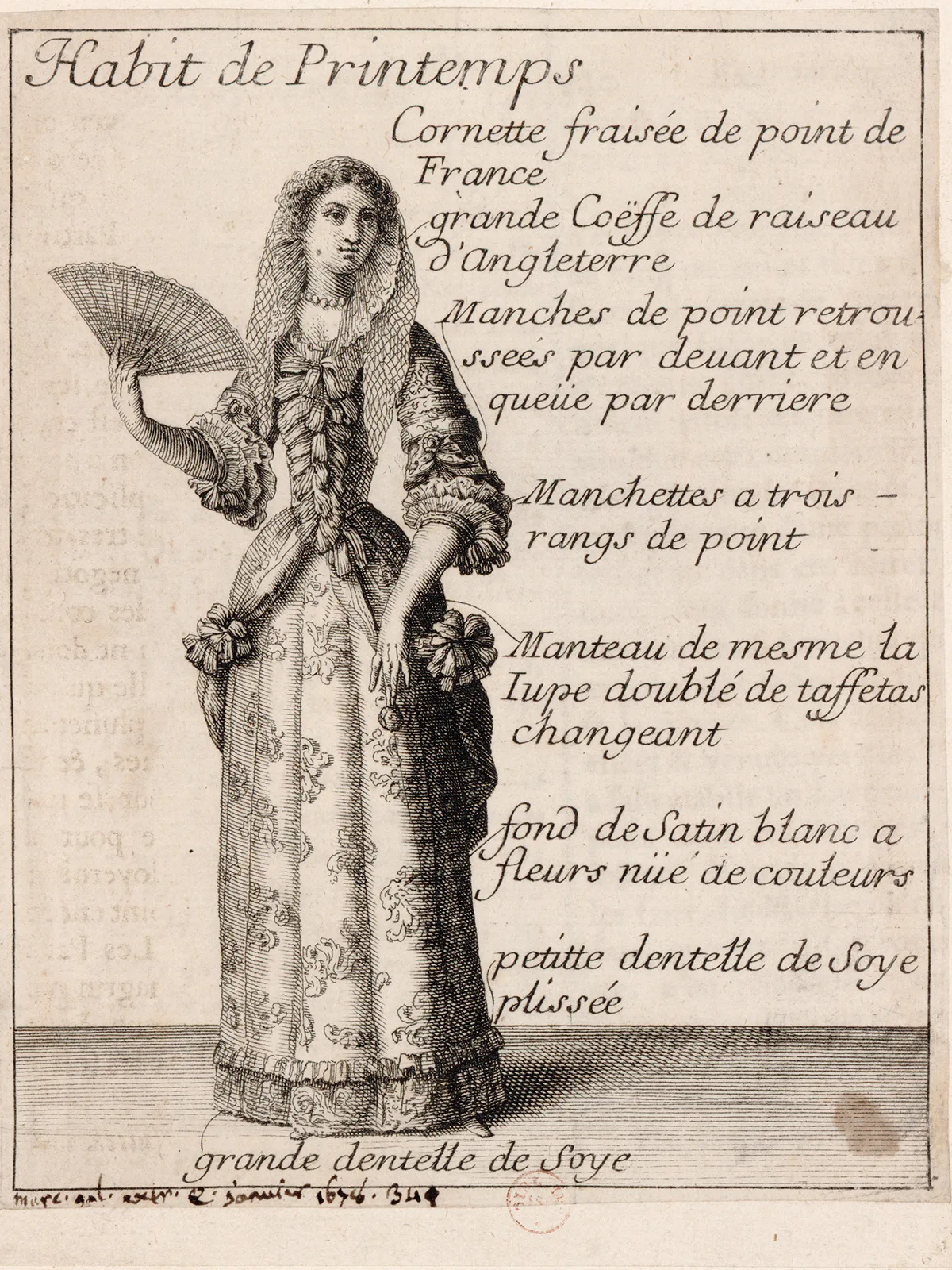
Learning about early publications like The Mercure Galant was also really surprising. I didn’t know that one of the first fashion-focused sections in a newspaper was actually aimed at women, especially at a time when women weren’t considered a primary audience. It made me think about how fashion journalism has also been connected to giving women a voice, even if they weren’t always credited for their work.
The growth of magazines in the nineteenth century showed how much technology impacts media. As printing improved, fashion journalism expanded quickly. Publications like Gallery of Fashion and Gentleman’s Magazine of Fashions made it clear that fashion wasn’t just for women it has always been relevant to everyone. That challenged my assumption that fashion media has always been female-focused.

Another big shift that stood out was the move from illustrations to photographs in the twentieth century. This made fashion feel more real and relatable, which is something we still value today. I also noticed how fashion journalism began reflecting social changes, like more women entering the workforce, which shows how closely fashion is tied to culture.
By the time the presentation got to the 1950s and beyond, it felt more familiar. Fashion being covered in newspapers like seasonal sports trends showed how mainstream it had become. Then, with the rise of television in the 1980s and eventually the internet and social media, fashion journalism became faster and more accessible than ever.
Overall, this presentation helped me understand that fashion journalism isn’t just about clothes it’s about communication, culture, and change over time. Even though we now get trends from Instagram or TikTok in seconds, it all started with paintings and sketches. That progression really made me appreciate how much effort and history is behind something I usually take for granted.


No comments:
Post a Comment